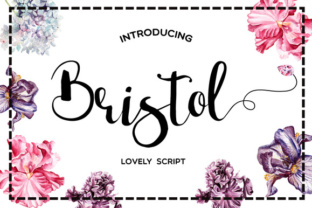
Exploring Bristol: A Handwritten Script Font for Branding
As a graphic designer, I often find myself in the early stages of a branding project, staring at a blank brand board, ready to bring a new identity to life. Today, I’m excited to share my experience with Bristol, a premium handwritten script font that has been a delightful addition to my design toolkit.
The First Impressions of Bristol
When I first opened Bristol, I was immediately struck by its elegant and flowing lines. The font exudes a sense of sophistication and charm, making it perfect for projects that require a touch of class. The curves and loops are meticulously crafted, giving each letter a unique, hand-drawn feel. This makes Bristol stand out as a creative font that can add a personal and authentic touch to any design.
Testing Bristol in Logo Design
One of the first places I tested Bristol was in a logo design for a small café. The café’s name, “Café Cozy,” needed a font that would convey a warm and inviting atmosphere. Bristol fit the bill perfectly. The fluid, cursive style of Bristol made the café’s name feel like a handwritten note, adding a personal and welcoming touch. The font’s readability at various sizes also made it a strong candidate for both digital and print use.
Bristol in Brand Identity
After finalizing the logo, I moved on to creating a comprehensive brand identity. Bristol’s versatility shone through as I used it across different elements. For business cards, the font added a touch of elegance, while on packaging, it provided a consistent and recognizable look. The font’s ability to maintain its personality across different applications made it a valuable asset in establishing a cohesive brand identity.
Using Bristol in Packaging Design
For the café’s packaging, Bristol played a crucial role in creating an appealing and memorable design. The font was used on coffee bags, mugs, and even menu boards. The handwritten style of Bristol gave the packaging a unique, artisanal feel, which resonated well with the café’s target audience. The font’s legibility, even in smaller sizes, ensured that all important information was clear and easy to read.
Bristol in Social Media Graphics
In today’s digital age, social media is a key platform for brand visibility. I used Bristol to create eye-catching graphics for the café’s Instagram and Facebook pages. The font’s elegant and approachable style made the posts more engaging and helped to build a strong, consistent brand presence. Whether it was a promotional post or a simple update, Bristol added a touch of professionalism and creativity.
Font Pairing with Bristol
To enhance the overall design, I paired Bristol with a clean, sans serif font. This combination created a balanced and harmonious look. The sans serif font provided a modern and straightforward feel, while Bristol added a touch of elegance and personality. This pairing worked well in both digital and print formats, ensuring a versatile and effective design solution.
Practical Tips for Using Bristol
Before fully integrating Bristol into a brand system, it’s essential to test the font in various contexts. Here are some practical tips:
- Test Readability: Ensure that Bristol is legible at different sizes, especially in smaller text and on different backgrounds.
- Check Variations: Explore the included styles, alternates, and ligatures to find the best fit for your project.
- Consider Licensing: Verify that the font includes commercial licensing, which is crucial for client work and commercial design assets.
- Pair Wisely: Choose complementary fonts that balance Bristol’s elegance with a more neutral and readable typeface.
Final Thoughts on Bristol
Overall, Bristol has proven to be a versatile and elegant script font that can elevate a wide range of design projects. Its handwritten style and meticulous craftsmanship make it a valuable addition to any designer’s toolkit. Whether you’re working on a café’s visual identity, a boutique’s packaging, or a skincare brand’s social media graphics, Bristol can help you create a memorable and professional brand presence.